
Why Safe Freight Transport Matters: What Every US Shipper & Carrier Must Know
Every morning, over 3.5 million truck drivers pull onto American highways carrying everything from medical supplies to construction steel. One bad decision — an unsecured load, a fatigued driver, a skipped inspection — and lives are at risk, supply chains crack, and businesses bleed money. That’s not a scare tactic. That’s the reality of freight transportation in the United States today.
Safe freight transport isn’t a checkbox. It’s the backbone of the entire logistics industry. And yet, too many shippers and carriers still treat it as an afterthought — until something goes wrong.
Let’s fix that.
The Real Cost of Weak Freight Safety
Here is the problem most carriers never connect to the real source. Loads arrive damaged. Deliveries run late. Insurance premiums climb every renewal cycle. FMCSA inspectors flag violations that could have been caught in a five-minute pre-trip check. Clients quietly switch to competitors without ever explaining why.
None of this is bad luck. It is the compounding cost of weak freight safety protocols — and it shows up in your bottom line long before it shows up in an accident report.
With fuel costs already compressing margins in 2026 and spot rates tightening across the truckload market, carriers operating without a structured safety system are running out of financial runway fast. And for shippers, delayed exports and supply chain disruptions are already costing businesses relationships they spent years building.
The fix is not complicated. But it has to be intentional.
FMCSA Compliance Is Not Optional — It's Survival
Most carriers know FMCSA compliance matters. Very few have a system that actually enforces it daily. Driver qualification files fall out of date. Electronic Logging Device (ELD) records get ignored until an audit forces a panic. Vehicle inspections happen when someone remembers — not on a schedule.
The Federal Motor Carrier Safety Administration does not grade on a curve. Violations mean fines. Repeat violations mean out-of-service orders. And an out-of-service order on a competitive truckload market in spring 2026 means losing freight contracts you cannot get back.
The solution is simple: build compliance into your daily operations, not your monthly panic. Schedule vehicle inspections before every haul. Keep ELD records clean and current. Run safety audits quarterly — not annually. Treat motor carrier safety as an operating system, not a fire you put out when regulators knock.

Your Cargo Is Not as Secure as You Think
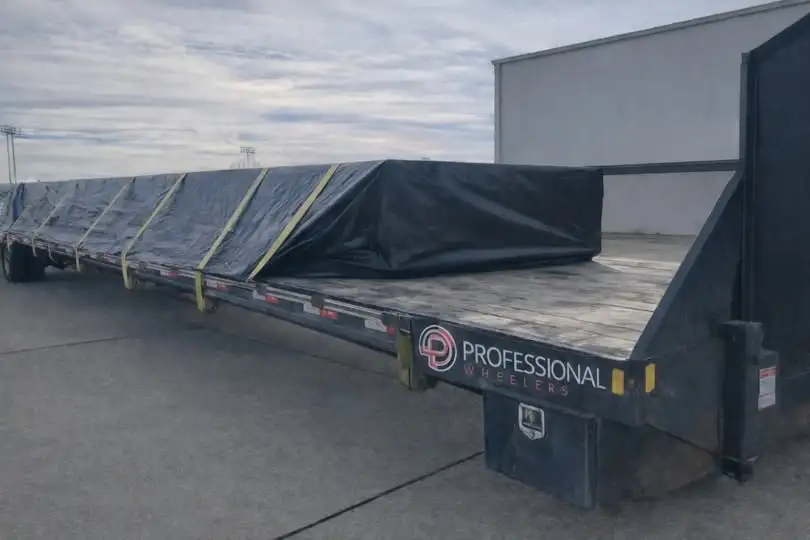
A load that looks secured in the yard behaves differently at 65 miles per hour. Improper weight distribution, worn load restraint hardware, and cargo securement techniques that don’t match the freight type are some of the most common — and most preventable — causes of truck accidents on US highways.
For flatbed freight, where cargo is fully exposed, the margin for error is zero. Professional Wheelers’ flatbed transportation services are built around rigorous cargo inspection protocols — every strap, chain, and binder inspected before departure, not after something shifts. For containerized shipments moving through ports, seamless port-to-door container transportation demands strict container safety standards at every handoff point, especially when cold chain integrity is critical for temperature-sensitive freight. Major port hubs like Baltimore set a strong compliance benchmark — your cargo securement standards should meet or exceed what they require at origin.
Driver Training and Fatigue Management Save Lives
Fatigue management is the safety issue the trucking industry consistently underestimates. A driver pushing past their hours-of-service compliance limits to hit a delivery window is not being productive — they are being dangerous. Drowsy driving in an 80,000-pound commercial truck does not end with a fender bender.
The fix here is not punitive — it is structural. ELD compliance enforces hours-of-service rules automatically, removing the pressure drivers feel to fudge their logs. Defensive driving training teaches drivers to recognize early fatigue signs before they become emergencies. Rigorous pre-employment screening and ongoing driver qualification reviews ensure the people behind your wheels are fit to be there.
Build a real safety culture inside your company — one where drivers report fatigue without fear of losing a load. That culture will protect your drivers, your clients, and your operating authority all at once.
GPS Tracking Closes the Visibility Gap
Freight theft is a growing crisis in US supply chain safety. Unsecured trailers, poorly documented chain of custody, and carriers operating without GPS tracking are easy targets. Once cargo is stolen or compromised, freight insurance requirements kick in — but they rarely cover the full cost of lost relationships and missed deliveries.
Telematics systems and GPS tracking solve the visibility problem entirely. Real-time cargo tracking lets you monitor location, flag route deviations, and respond to threats before they become losses. Pair that with proper freight insurance documentation and a tested emergency response plan, and you have a freight security system that actually works.
For hazardous materials transport specifically, visibility is not optional — it is a federal requirement. OSHA standards for freight and material handling mandate documented safety protocols, proper labeling, and a rehearsed emergency response plan for every hazmat shipment. Skipping any part of that is not a cost saving. It is a criminal liability.
Fleet Maintenance and Safety Audits Are Your Safety Net
If you are not tracking safety KPIs and metrics — inspection pass rates, accident frequency, near-miss reports, on-time delivery tied to safe handling — you are managing your operation blind. The carriers dominating the logistics industry right now are the ones treating safety data the way they treat financial data: seriously, regularly, and with accountability.
Regular fleet maintenance, 3PL freight safety compliance checks, and a logistics model built for consistency don’t just reduce accidents. They build the kind of operational reliability that wins long-term contracts and earns client trust that no competitor can easily take away.
How Professional Wheelers Makes Safe Freight Transport Real
Professional Wheelers is one of the leading freight companies in the United States — offering FTL, LTL, flatbed, drayage, reefer, and air charter solutions built on a foundation of full FMCSA compliance, vetted carrier partnerships, and uncompromising safety standards. Operating coast to coast from Royal Palm Beach, Florida, Professional Wheelers doesn’t just move freight. They move it safely, compliantly, and on time — every single time.
Safe Freight Transport Is Your Competitive Edge
Every problem in freight — damaged loads, missed windows, regulatory penalties, stolen cargo, client churn — has a root cause. And almost every one of them traces back to gaps in freight safety.
Safe freight transport is not a cost center. It is the most reliable investment a carrier or shipper can make. Fix your compliance system. Secure your loads properly. Train your drivers. Track everything. Measure what matters.
The carriers winning in today’s logistics market are the ones who figured out that safety and profitability are not opposites — they are the same thing.
Ready to move freight the right way? Professional Wheelers is built for exactly this — safe, compliant, and reliable freight transport across the United States. Get in touch today.